
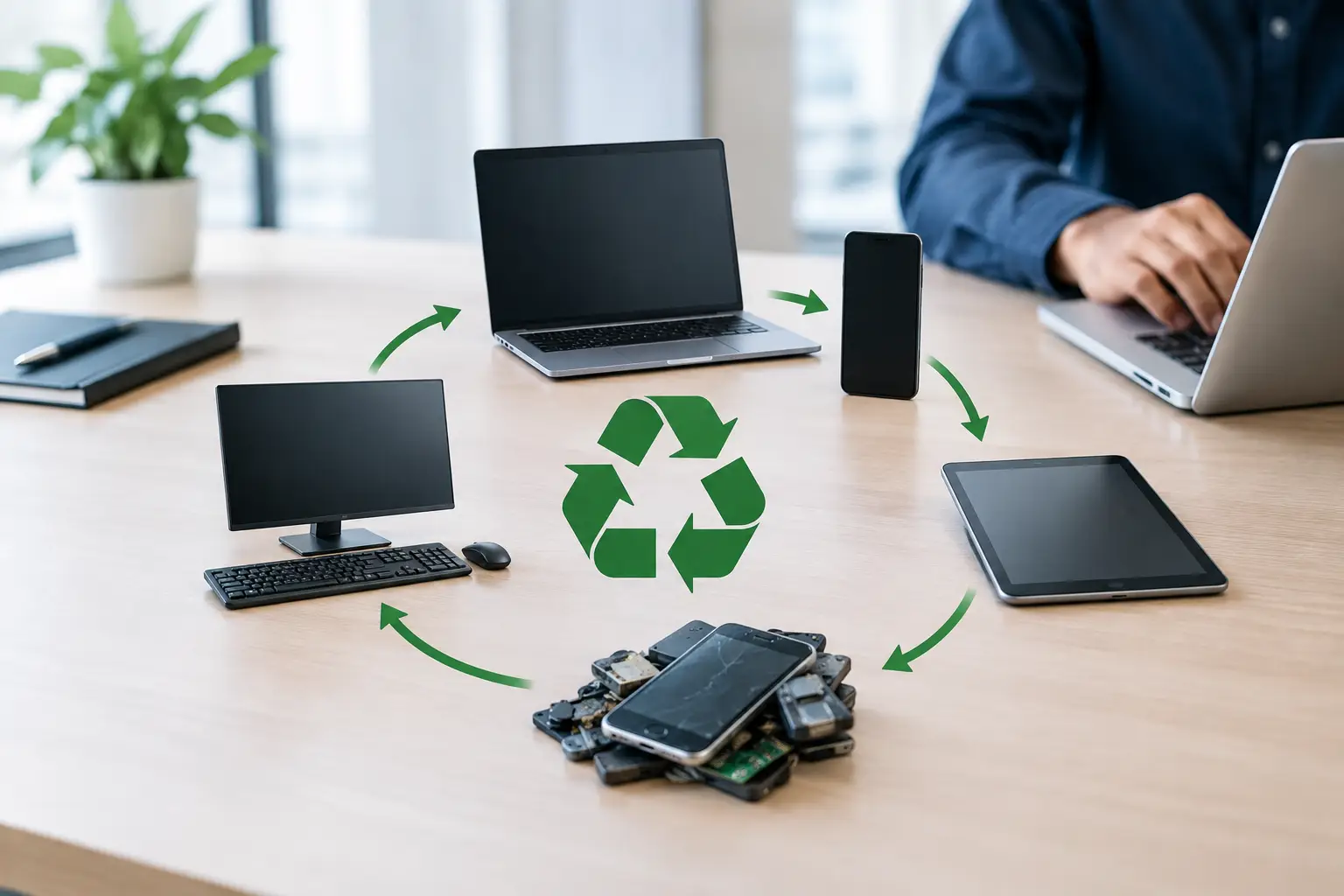
Device Lifecycle Management Guide for Electronics
A product can pass functional prototype testing and still fail commercially when a key component becomes unavailable, a production change is undocumented, or repairs cannot be completed in the field. This device lifecycle management guide explains how to manage those risks as one connected process, from the first technical decision to the final service action.
READ MORE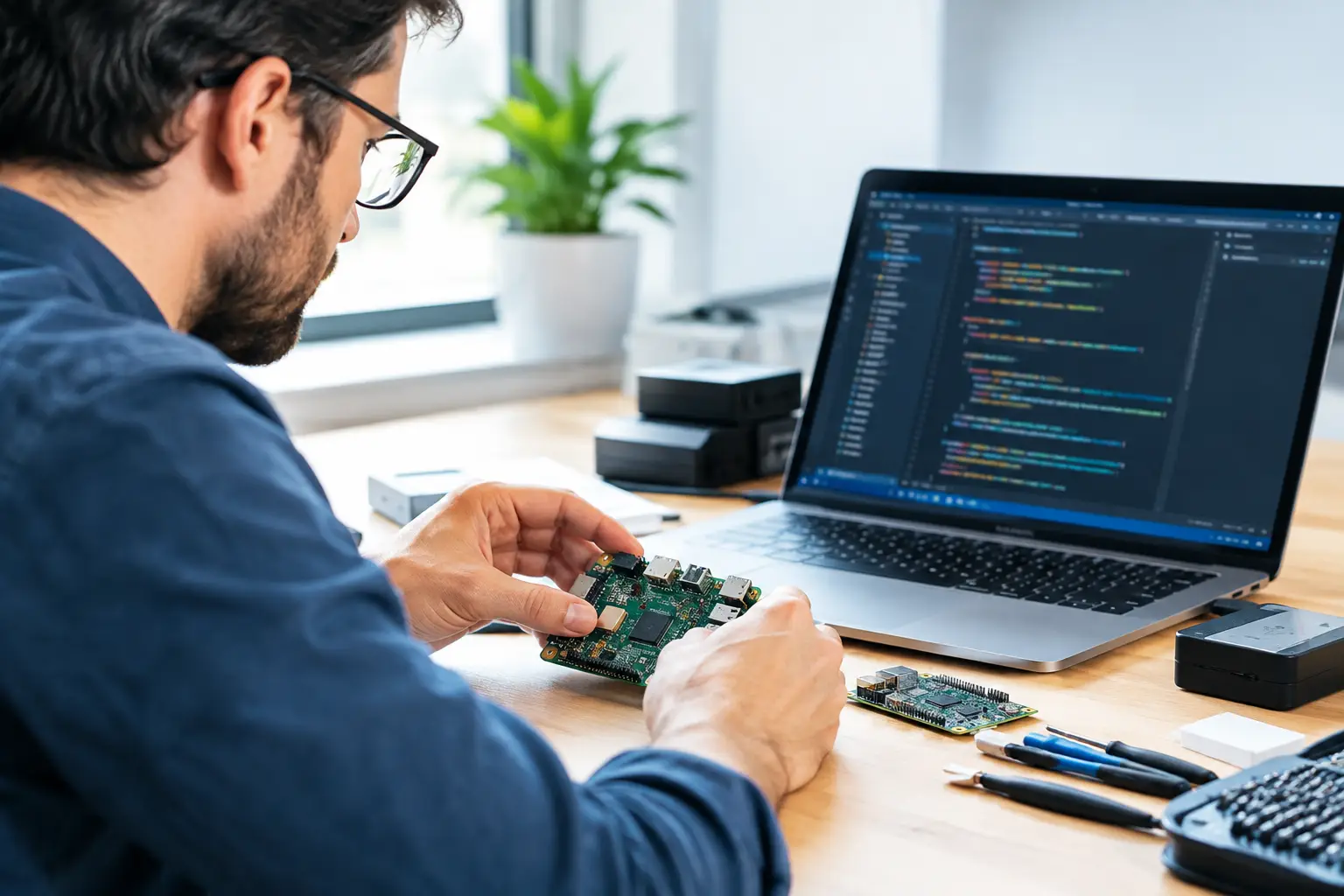
Firmware Development Outsourcing That Scales
A prototype that works on an engineer’s bench is not yet a product. Firmware must also behave predictably across component variations, power conditions, production programming stations, field updates and years of operation. That is why firmware development outsourcing is not simply a way to add coding capacity. It is a decision about how technical ownership, manufacturing readiness and product risk will be managed.
READ MORE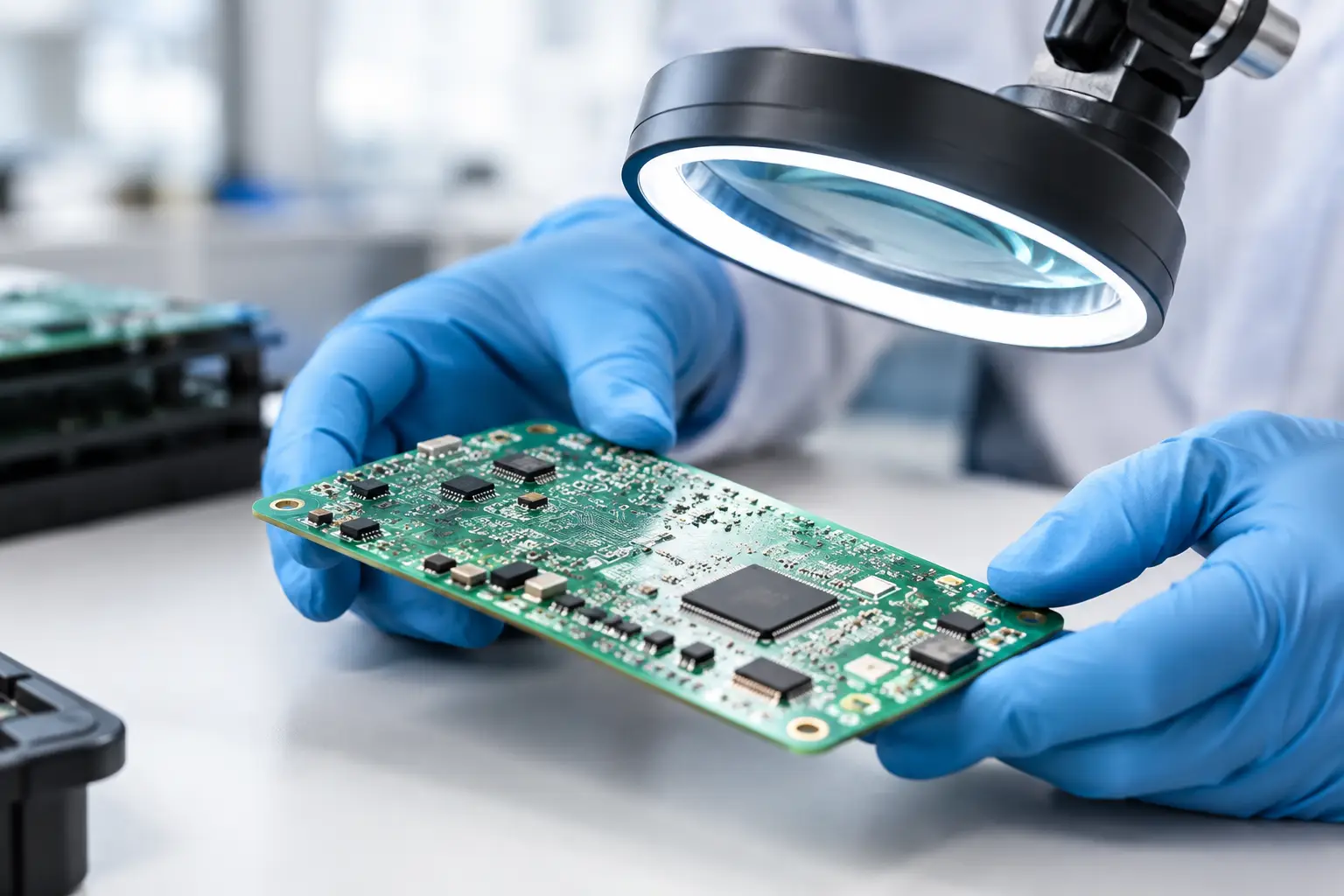
How to Prevent PCB Defects Before Production
A PCB defect discovered during final test is rarely created at final test. It usually began earlier: with an unclear footprint, an unverified component substitute, a marginal solder paste process, or a change that was not communicated across teams. Knowing how to prevent PCB defects means managing these connections from the first schematic review through delivery, rather than relying on inspection to catch problems at the end.
READ MORE
Can Startups Outsource Manufacturing? A Practical Path
A working prototype can make an electronics startup feel ready for market. Then come the questions that determine whether it can actually ship: Which components are available? Is the PCB designed for repeatable assembly? How will every unit be tested, programmed, packed and supported? Can startups outsource manufacturing at this point? Yes - but successful outsourcing means handing over a controlled industrial process, not simply sending files to an assembly line.
READ MORE