
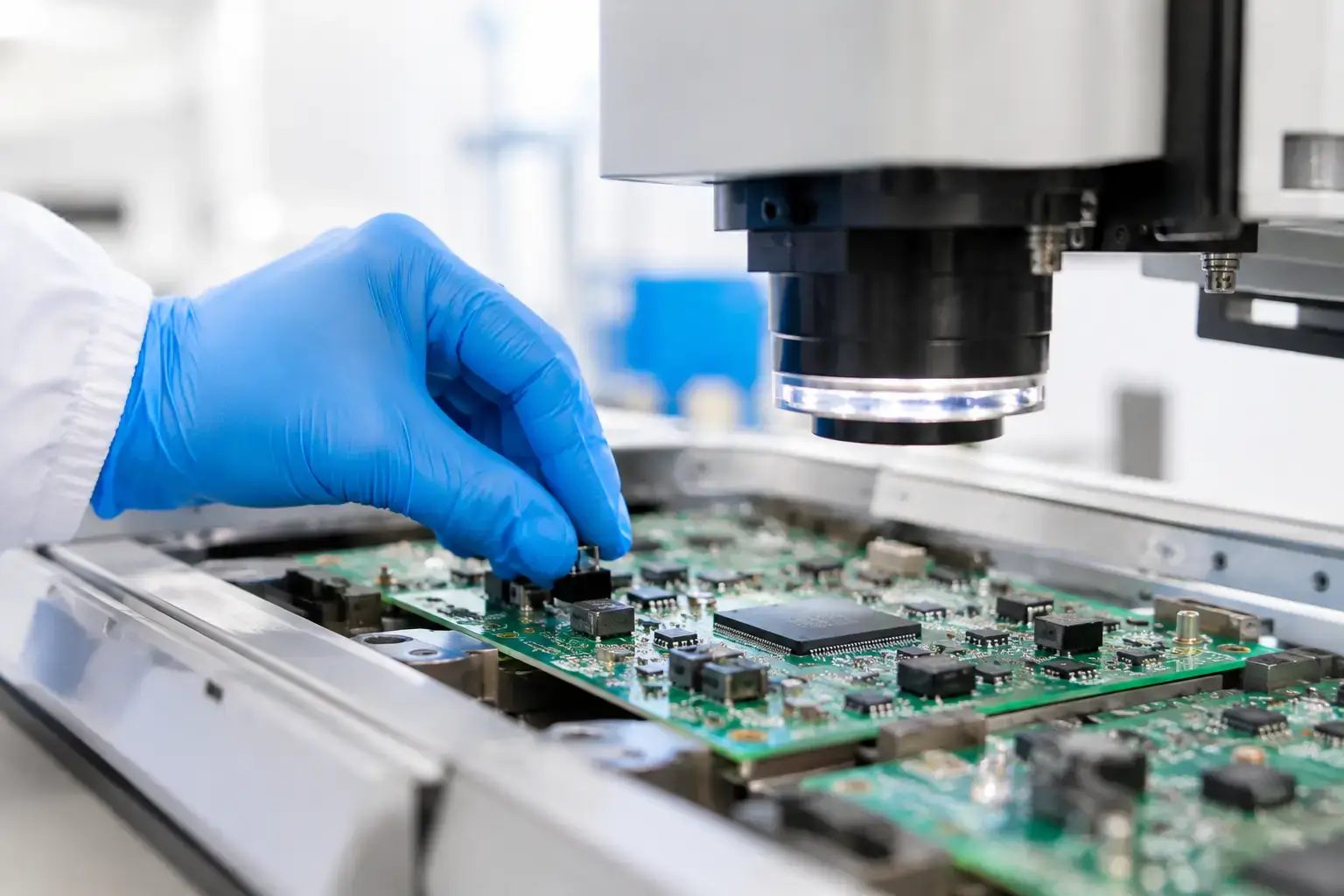
What Improves Assembly Yield in Electronics?
A board can pass electrical test and still consume too much time, material and engineering attention to build. For electronics manufacturers, the practical answer to what improves assembly yield is not a single inspection station or a tighter machine setting. It is a controlled chain of decisions, starting with the product design and continuing through sourcing, assembly, test and feedback.
READ MORE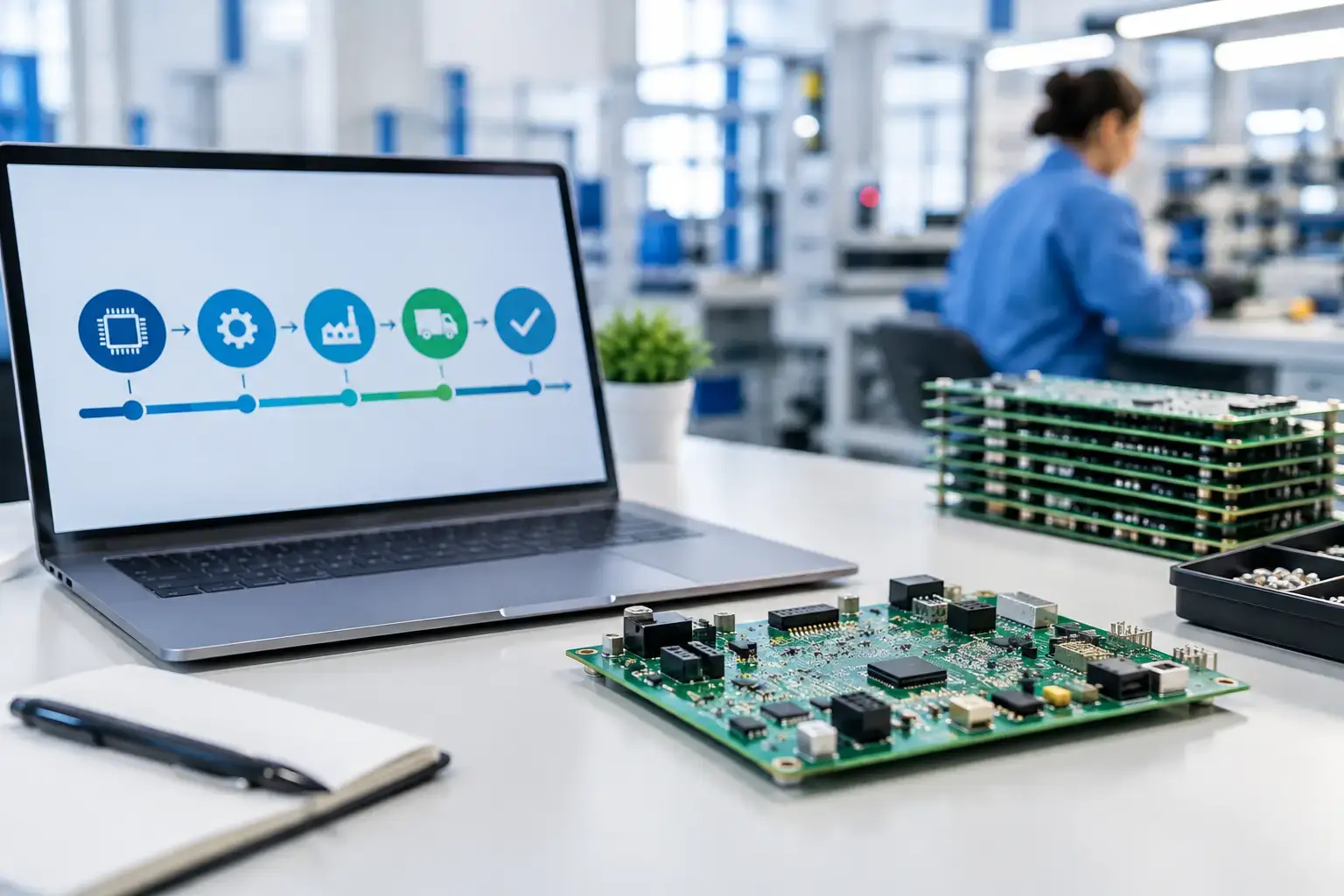
Electronics Assembly Leadtime Estimation Explained
A launch date can look realistic on a project plan and still fail before production starts. Electronics assembly leadtime estimation turns a requested delivery date into an achievable manufacturing schedule by examining the work, materials, approvals and capacity behind it. For a prototype, a small 0-series or a recurring production order, the answer is never simply the number of days on the assembly line.
READ MORE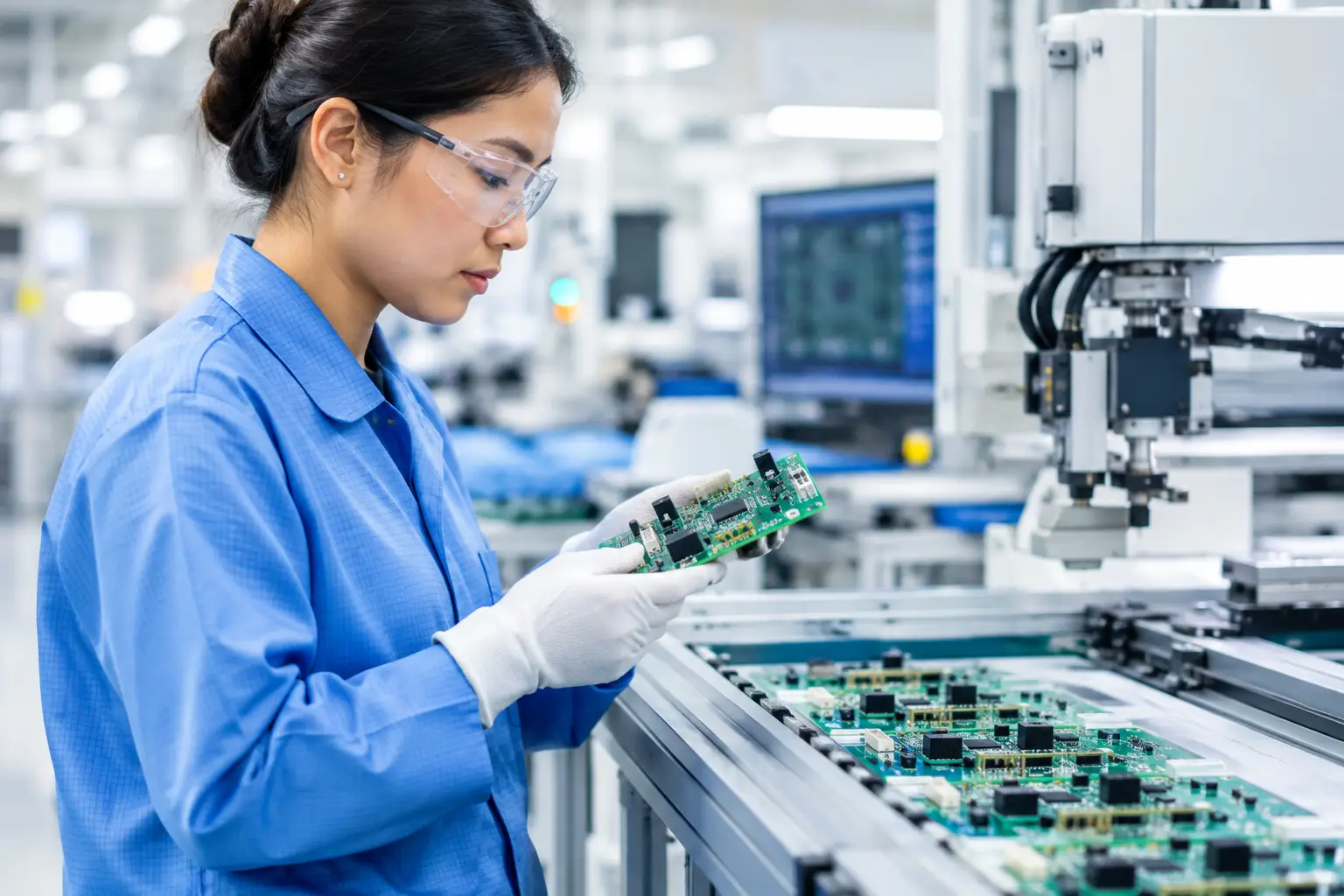
Electronics Manufacturing Trends That Shape 2026
A component selected during schematic design can now determine whether a product reaches pilot production on schedule, whether it can be serviced five years later, and whether its cost remains viable at scale. That is why electronics manufacturing trends are no longer a matter for production teams alone. They affect engineering decisions, procurement strategy, quality planning and the commercial case for a new device from the first prototype onward.
READ MORE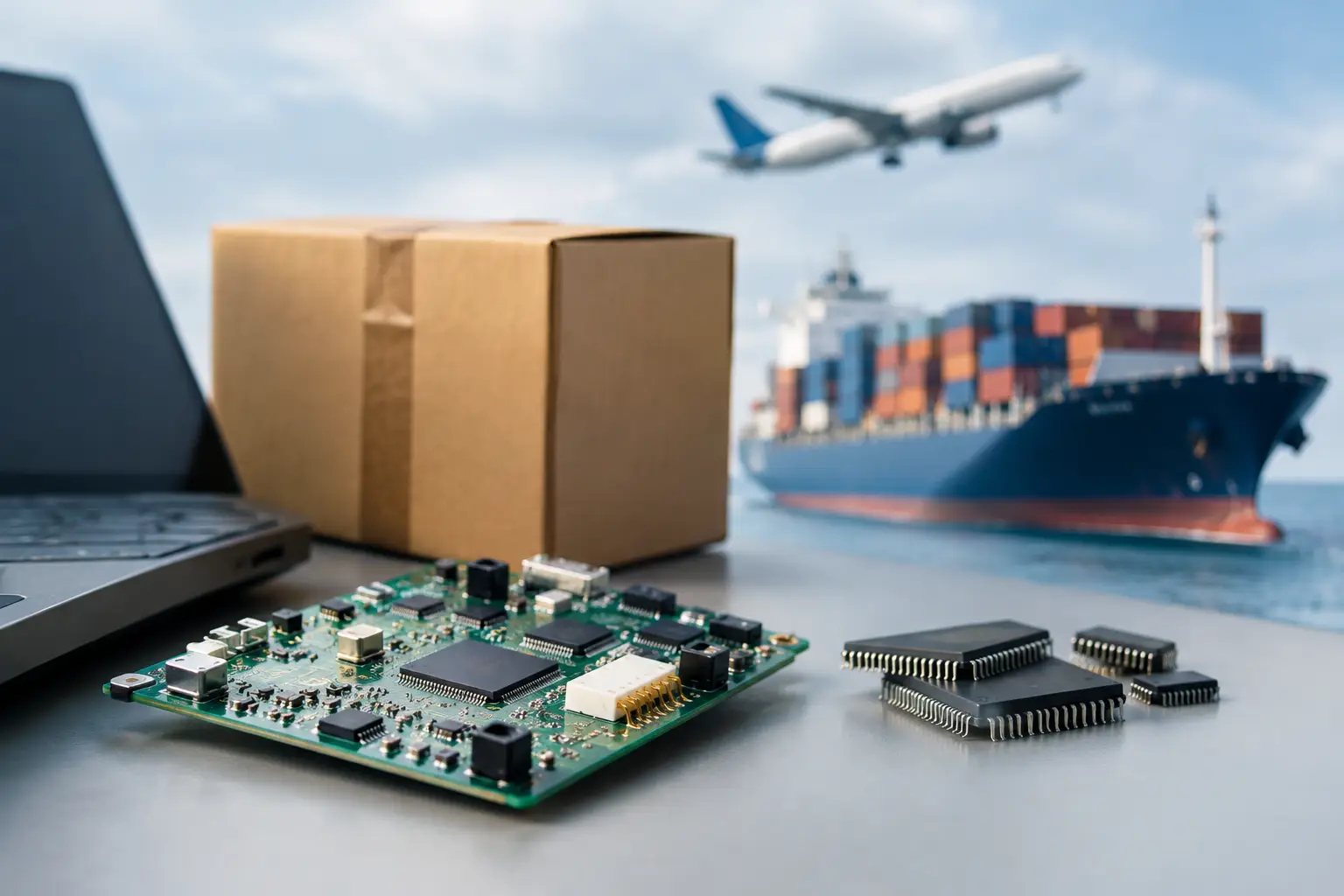
Where Risk Begins in the Electronics Supply Chain
A production delay rarely starts on the assembly line. More often, it begins months earlier with a component selected without a second source, incomplete manufacturing data, unclear ownership of a design change, or a supplier chosen on unit price alone. The electronics supply chain is therefore not simply a purchasing function. It is the operational system that connects product design, component availability, manufacturing quality, delivery commitments, and long-term serviceability.
READ MORE