
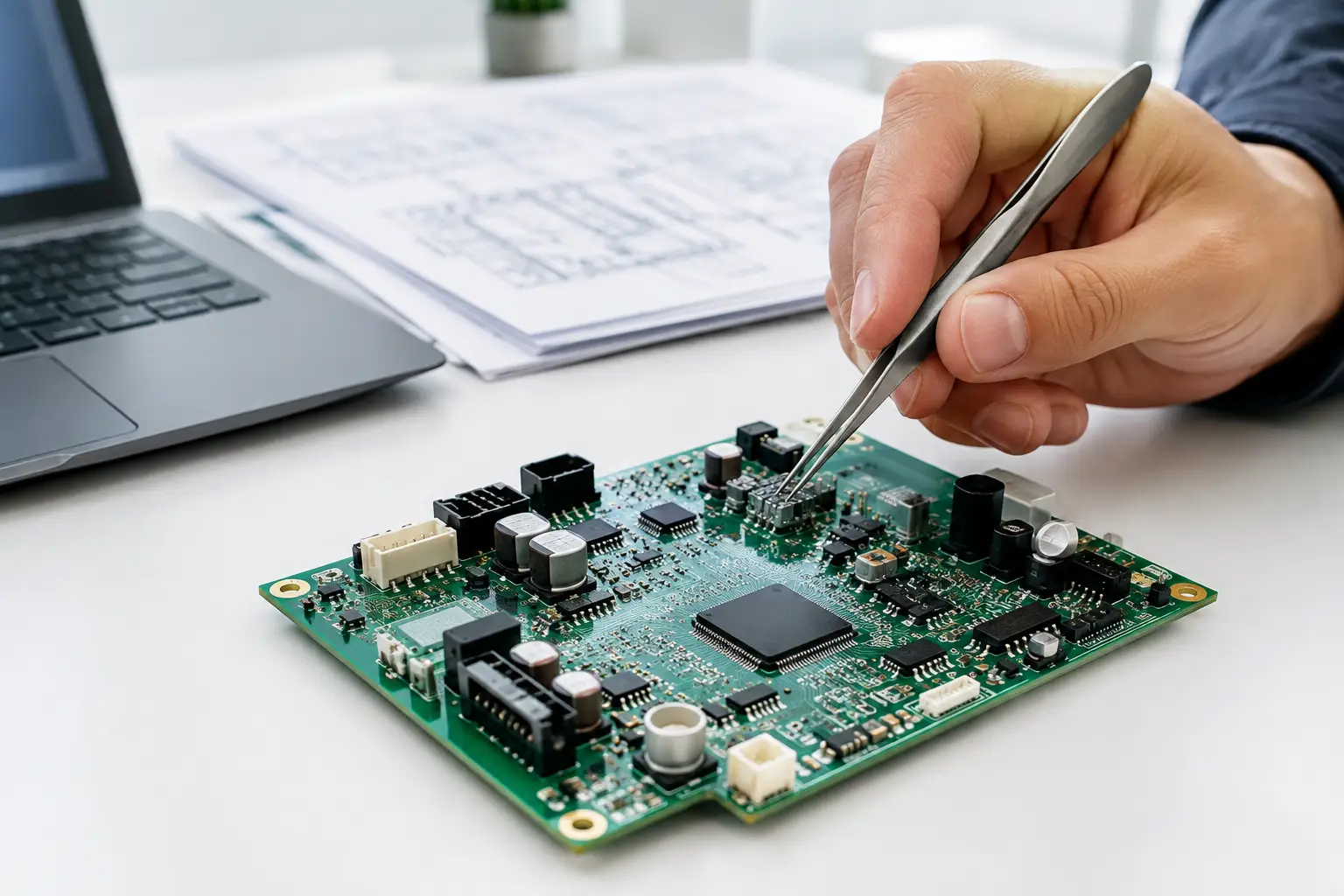
Design for Manufacturability in Electronics
A prototype can function perfectly on an engineer’s bench and still become difficult, expensive, or inconsistent to produce. That gap is where design for manufacturability makes a measurable difference. For electronics companies, it is the discipline of making product decisions early enough that a PCB or device can be built repeatedly, tested efficiently, sourced reliably, and scaled without avoidable redesigns.
READ MORE
How to Choose an EMS Partner for Your Product
A prototype that works on an engineer’s bench is not yet a manufacturable product. Components may become unavailable, test access may be limited, assembly tolerances may be unclear, and documentation may not support repeatable production. These are the issues that determine whether a launch stays on schedule or becomes an expensive series of corrections.
READ MORE
Electronics Contract Manufacturing That Scales
A prototype that works on an engineer’s bench is only the first proof point. The more difficult test is whether the same product can be built repeatedly, tested consistently, supplied despite component volatility, and supported after shipment. Electronics contract manufacturing is the discipline that turns that test into a controlled process.
READ MORE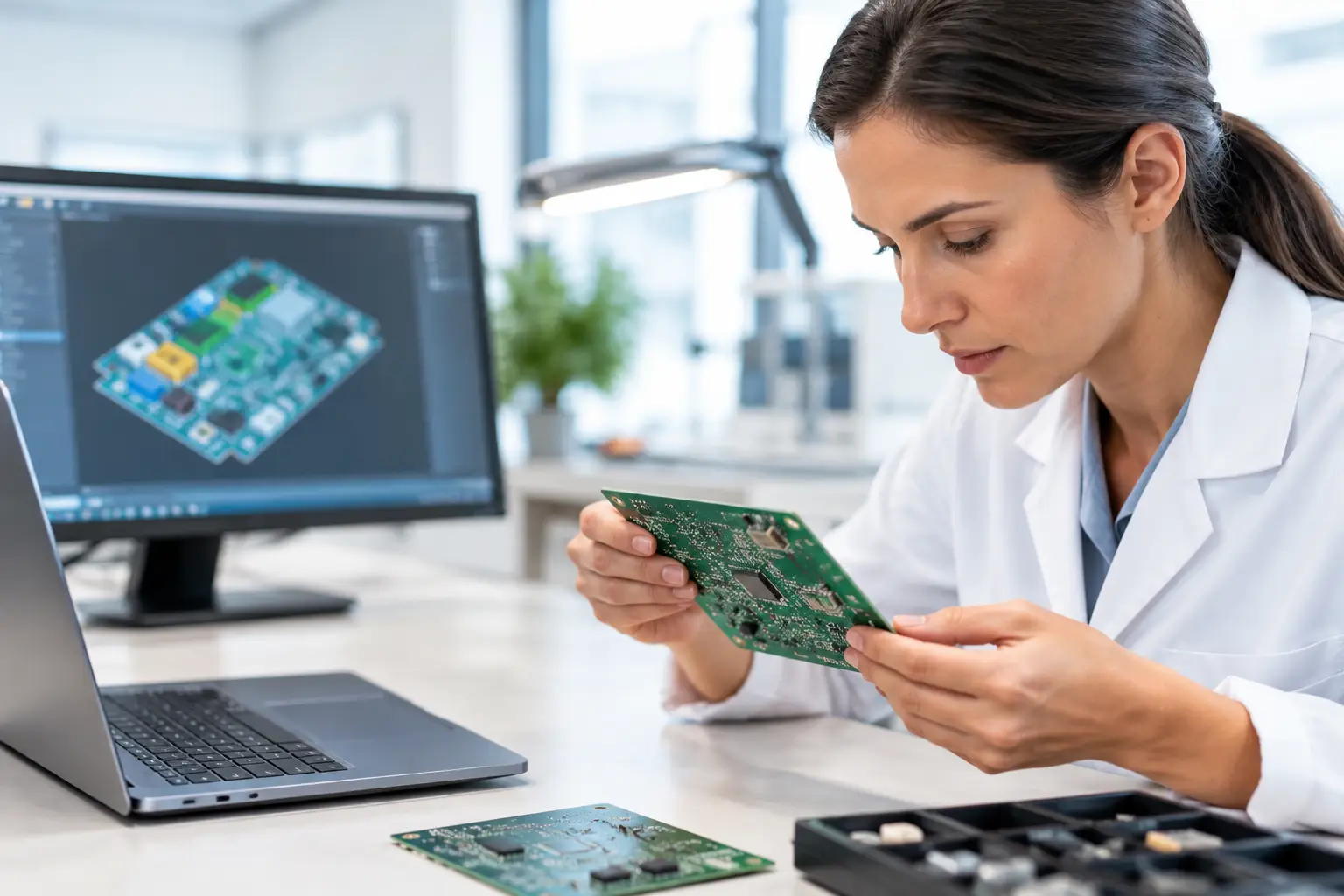
Best Practices for DFM in Electronics Production
A prototype can prove that an electronic circuit works while revealing very little about whether it can be built repeatedly, tested efficiently, and supplied reliably. The best practices for DFM - design for manufacturability - close that gap before it becomes an expensive production issue. For product teams, DFM is not a final checklist before release. It is a practical engineering discipline that connects circuit decisions, PCB layout, component selection, assembly processes, testing, and supply-chain planning.
READ MORE