.png)
How to Prevent PCB Defects Before Production
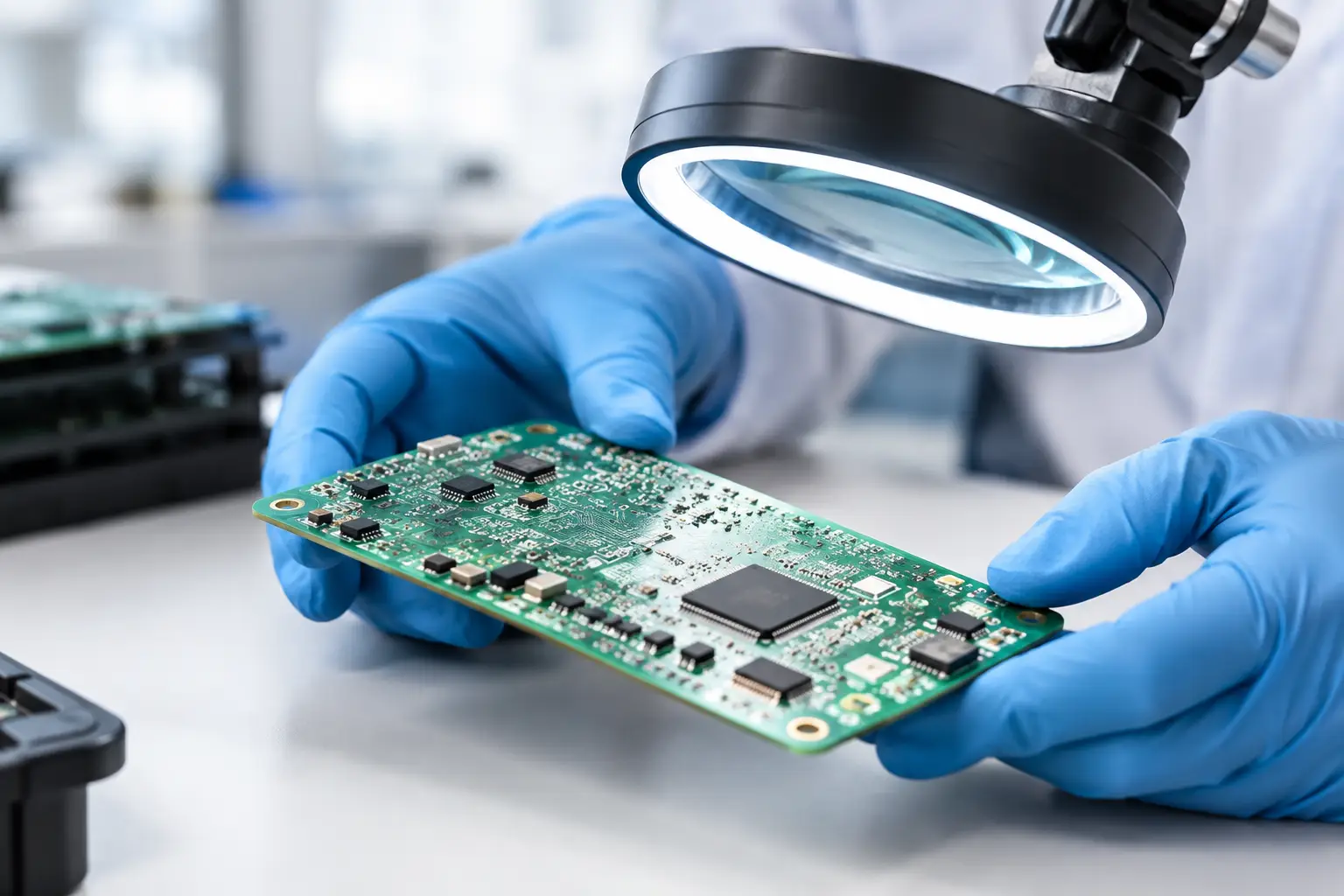
A PCB defect discovered during final test is rarely created at final test. It usually began earlier: with an unclear footprint, an unverified component substitute, a marginal solder paste process, or a change that was not communicated across teams. Knowing how to prevent PCB defects means managing these connections from the first schematic review through delivery, rather than relying on inspection to catch problems at the end.
READ MORE
Can Startups Outsource Manufacturing? A Practical Path
A working prototype can make an electronics startup feel ready for market. Then come the questions that determine whether it can actually ship: Which components are available? Is the PCB designed for repeatable assembly? How will every unit be tested, programmed, packed and supported? Can startups outsource manufacturing at this point? Yes - but successful outsourcing means handing over a controlled industrial process, not simply sending files to an assembly line.
READ MORE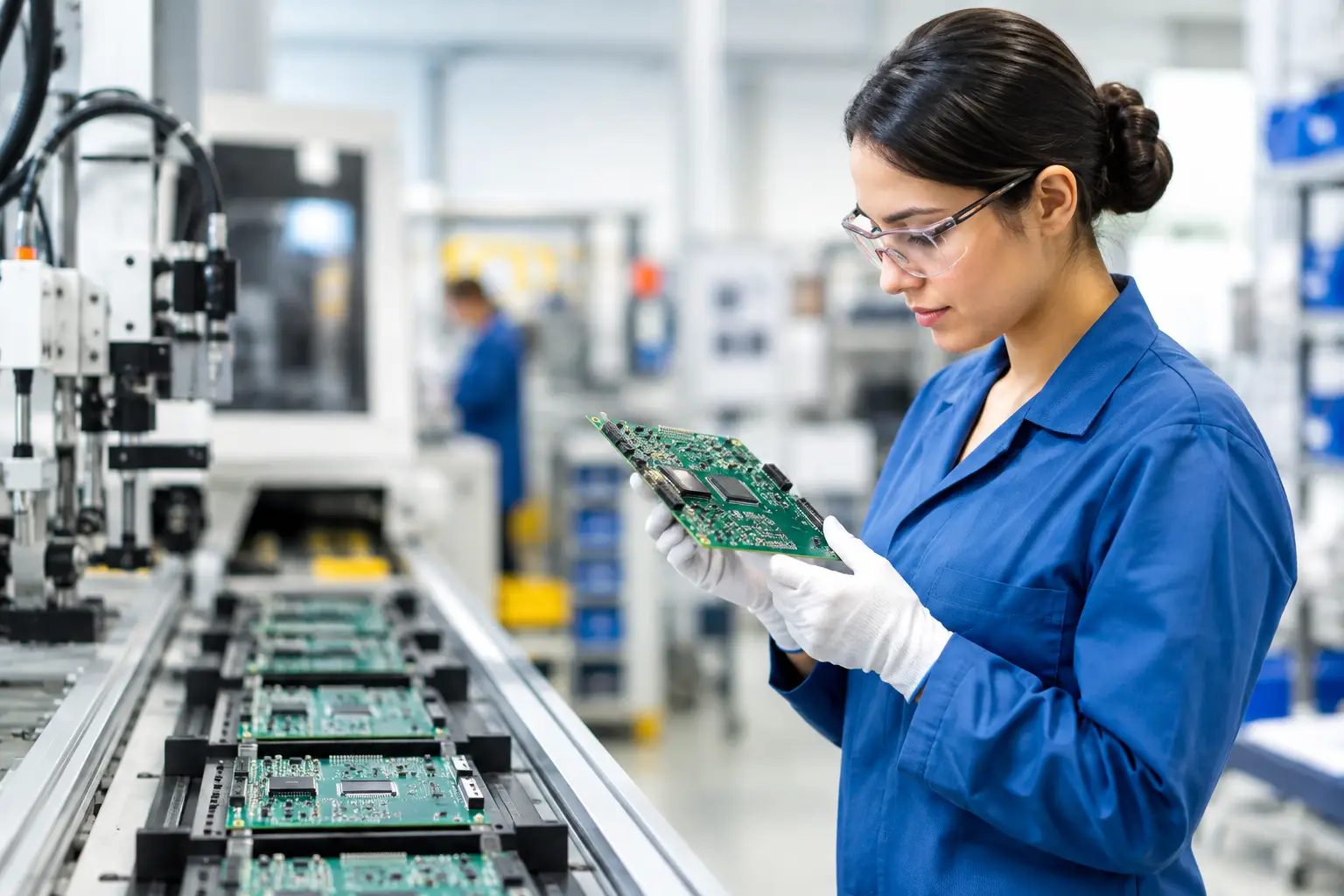
Production Scaling Strategy for Electronics
A prototype can prove that an electronic product works. It does not prove that the product can be built repeatedly, sourced reliably, tested efficiently, and delivered at the required volume. A production scaling strategy closes that gap. It gives engineering, procurement, quality, and operations teams a shared route from the first functional units to controlled series production.
READ MORE
Turnkey Versus Consignment Manufacturing
A production quote can look attractive until a single unavailable microcontroller stops an entire build. That is the practical difference behind turnkey versus consignment manufacturing: it determines who buys components, who carries supply-chain exposure, who controls approved sources, and who resolves a shortage when the schedule is already under pressure.
READ MORE