

Essential PCB Documentation Checklist for Production
A PCB can be electrically correct and still be impossible to build efficiently. Missing drill information, an unclear bill of materials, an outdated placement file, or a programming step known only to one engineer can stop a production release at exactly the wrong moment. An essential PCB documentation checklist turns design intent into controlled manufacturing data, so the first prototype, 0-series and subsequent production runs start from the same reliable basis.
READ MORE
How to Scale PCB Production Without Losing Control
A PCB prototype that works on an engineer's bench is an achievement. A product that can be built repeatedly, tested efficiently, supplied on schedule and serviced for years is a manufacturing system. That distinction is where many teams discover that learning how to scale PCB production is less about ordering more boards and more about removing uncertainty before volume amplifies it.
READ MORE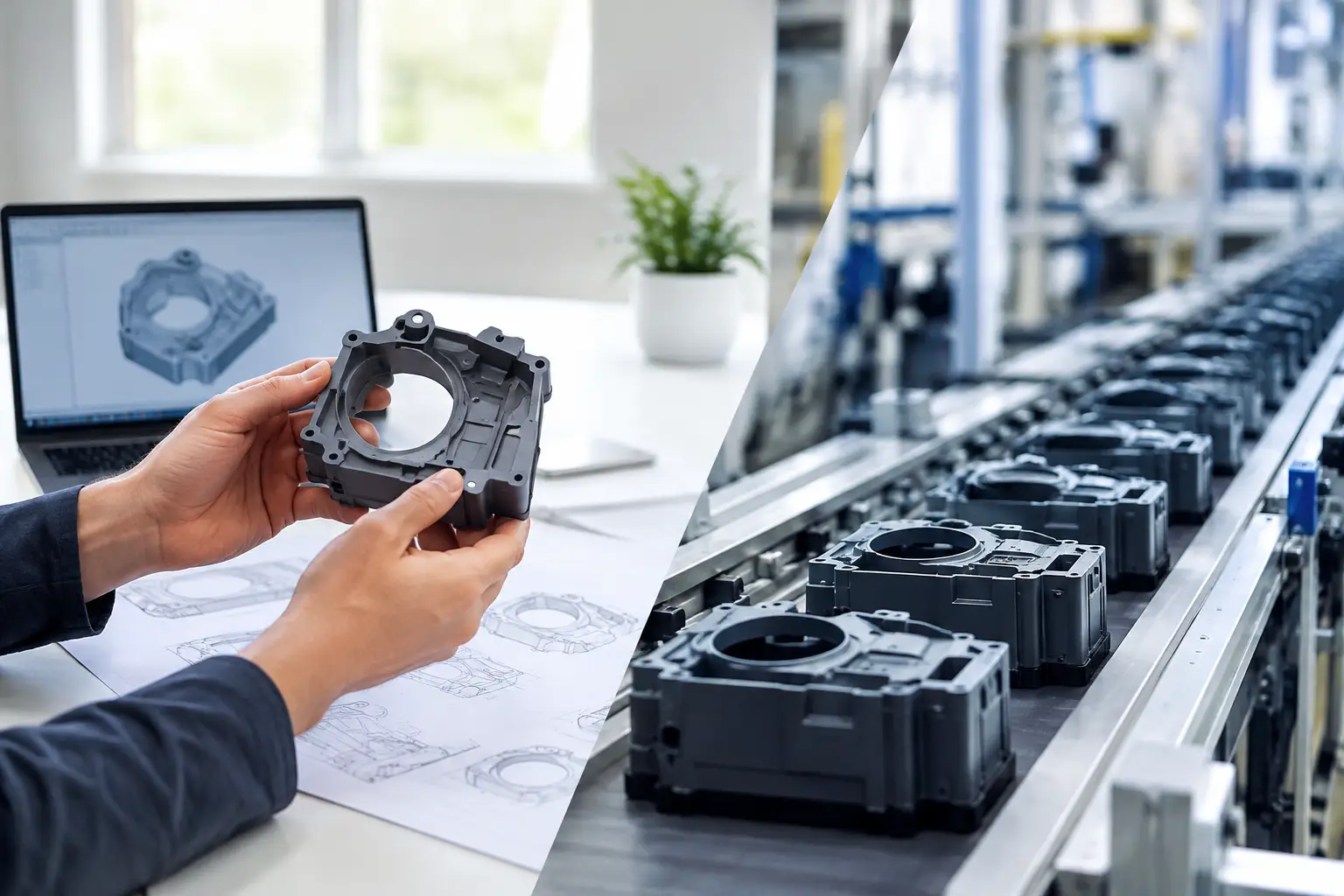
Prototype vs Mass Production: Key Differences
A prototype that performs well on an engineer’s bench can still fail when the first 1,000 units reach the production floor. The difference between prototype vs mass production is not simply volume. It is the shift from proving that an electronic product can work to proving that it can be built repeatedly, tested consistently, sourced reliably and supported throughout its lifecycle.
READ MORE
How to Read Electronic Assembly Service Reviews
A supplier can hold an impressive average rating and still be the wrong choice for a complex electronics project. Electronic assembly service reviews are useful because they reveal how a company behaves when a delivery date moves, a component becomes unavailable, or a prototype needs one more revision. The value is rarely in the number of stars. It is in the operational detail behind the feedback.
READ MORE